
Hello and welcome back to The Hangar.
As most of you will know I have always been fascinated with Naval Aviation and I have had a particular affinity with Fleet Air Arm subjects for many years and I live nearby a former FAA airfield so my interest in Fleet Air Arm subjects has never gone away.
I have previously built a Sea Hurricane in 1/48 scale, enjoying the Italeri Sea Hurricane Mk Ib kit which you can see here: https://thescalemodelhangar.com/2021/09/21/sea-hurricane/
I chose to model the Italeri Sea Hurricane in the FAA Dark Sea Grey/Slate Grey camouflage scheme as I have always thought this was a great colour combination on a fighter aircraft. The Italeri kit is a great model and I had wanted another, but they sadly went out of production. I had wished for a second Sea Hurricane as one other scheme that I had wanted to portray on a Sea Hurricane was the all white upper camouflage scheme seen on Sea Hurricanes that were deployed to the escort carriers in the North Atlantic.
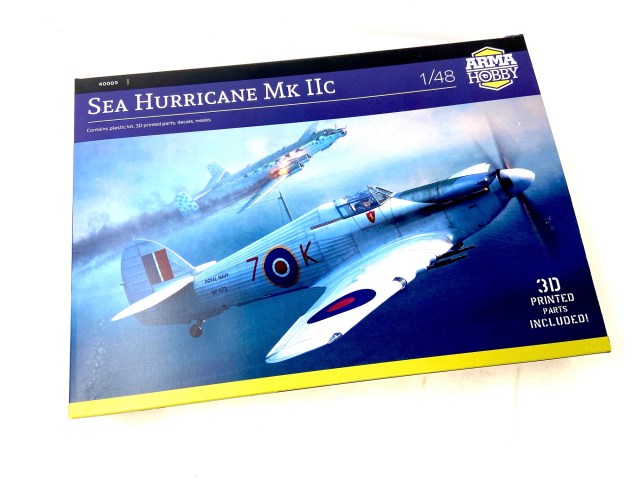
When Arma Hobby announced their new tool Sea Hurricane in 1/48 scale I was naturally enthusiastic at the prospect of a new naval variant of the Hurricane and was delighted that it would be the Mk IIc version flown during the Atlantic campaign. As can imagine, I ordered the kit at the earliest opportunity!
The Hawker Sea Hurircane-A History:
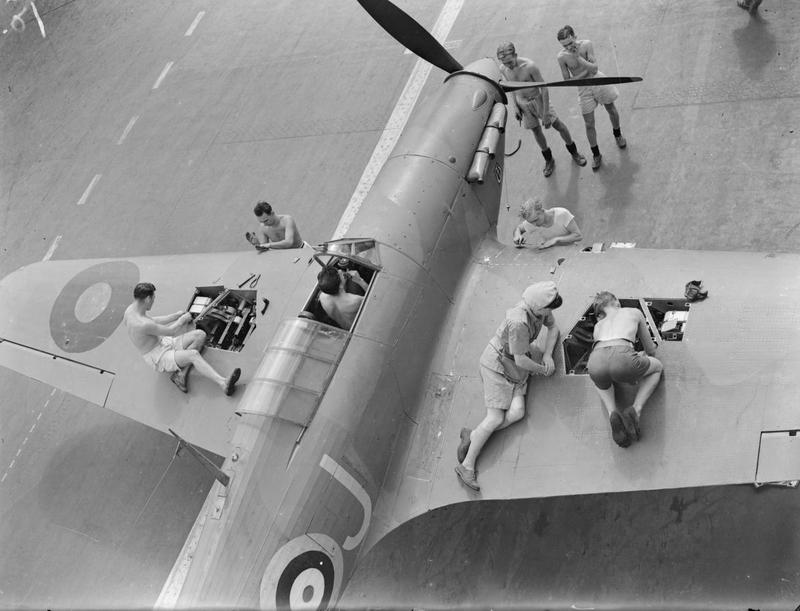
As the threat of Nazi Germany loomed larger over Europe, the Royal Navy recognized the need for a robust fighter aircraft that could operate from aircraft carriers. In response, the Hawker Hurricane was adapted for naval service, resulting in the Hawker Hurricane Sea Hurricane. The project began in 1940, with modifications to the original design that included a strengthened airframe, arrestor hook for carrier landings, and additional naval equipment to ensure functionality in maritime conditions.
The Hawker Sea Hurricane retained much of the original Hurricane’s structure but underwent several important modifications to suit naval operations. One of the most notable changes was the incorporation of a navalized undercarriage, allowing the aircraft to handle the rough conditions of carrier decks. Additionally, the Sea Hurricane was equipped with a tailhook, which enabled it to land on the short decks of aircraft carriers, a critical feature for successful naval operations.

The Sea Hurricane entered service in 1941, quickly proving its worth as a vital component of the Royal Navy’s air defence strategy. It was deployed on several aircraft carriers, including the HMS Argus and HMS Furious, participating in numerous operations across the Atlantic and the Mediterranean. The aircraft played a crucial role in escorting convoys and providing air cover during naval engagements.
One of the most notable successes of the Sea Hurricane came during the defence of Malta. Operating from the carrier HMS Eagle, Sea Hurricanes were instrumental in intercepting enemy bombers targeting the island. Their presence helped to maintain a defensive umbrella, allowing British forces to continue their operations in the region despite the ongoing threat from Axis aircraft.
The Hawker Hurricane Sea Hurricane also distinguished itself in anti-shipping roles, taking on enemy vessels with its potent armament of eight .303 Browning machine guns. This versatility allowed the aircraft to adapt to various mission profiles, enhancing its value to the Royal Navy. Another significant modification involved the installation of larger fuel tanks to extend the aircraft’s operational range, making it a valuable asset for fleet defence and air cover over maritime convoys. The Sea Hurricane’s design balanced speed, manoeuvrability, and firepower, making it an effective interceptor capable of engaging enemy aircraft over both land and sea.
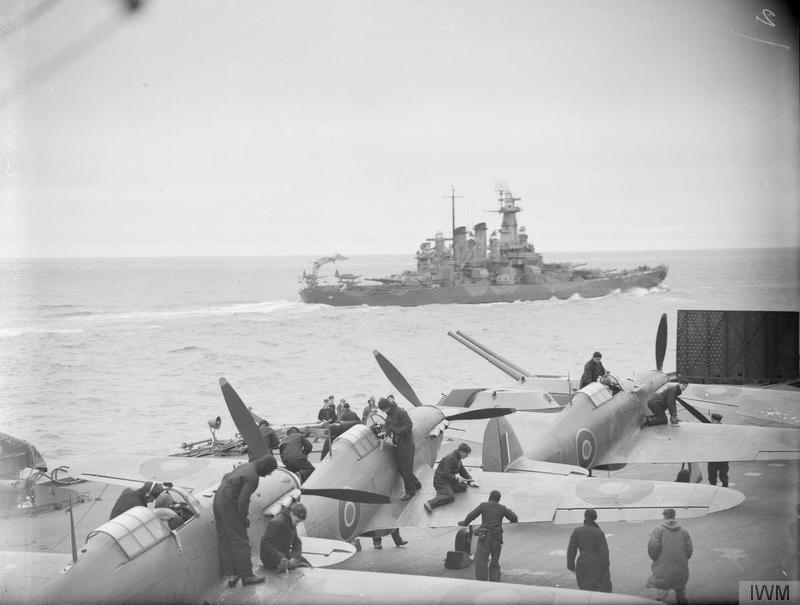
The first FAA squadron to receive the Sea Hurricane Mk 1B was 880 which would later be assigned to HMS Furious. The aircraft were delivered in January 1941, but only embarked for sea operations in July. A short time later, on July 21, the type scored its first victory: An 880 Squadron Sea Hurricane shot down a reconnaissance Do 18 flying boat off Norway. By the end of 1941, some 100 Sea Hurricane IBs equipped 801, 806 and 885 squadrons. These were serving on HMS Argus, Eagle, Formidable and Victorious.
Eventually 32 FAA squadrons were to be equipped with the Sea Hurricane IB. It saw service in the Atlantic, the Russian Convoys and the Malta Convoys. But it would be Operation Pedestal that would mark the type’s high point. Soon after the Mk IIC would begin to surplant it. Many Mk IB’s would again be modified. They would be given four 20mm cannons and redesignated Mk ICs. These returned to operations early in 1942. About 70 also had their engines upgraded with the XX-series Merlins. These were reclassified Mk IICs.
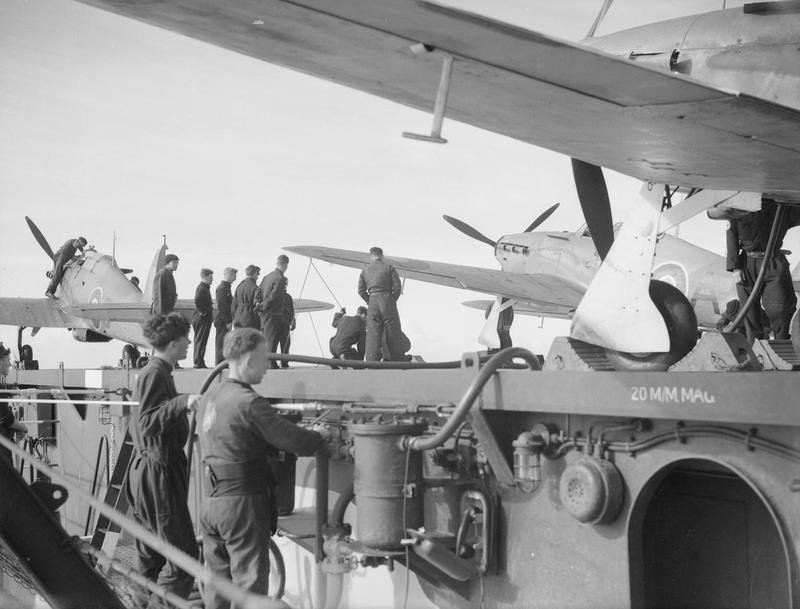
Some 81 Hurricane IIC airframes, again originally intended for the RAF, were taken aside in May 1942 and fitted with the necessary arrester hooks and naval radios for carrier use. The 1460hp Merlin XX was capable of pulling the Sea Hurricane along at 342mph at 22,000ft, or 322mph at 13,500ft. At economical settings, internal fuel could take it some 460 miles. With two external 44 Imp gal drop tanks, this extended to 908 miles. Eventually some 18 FAA squadrons would operate the type. It was also the last Sea Hurricane in operational service aboard the escort carriers HMS Vindex and HMS Nairana. The high point of the IIC’s operations would be Operation Torch in November 1942. Some 40 Sea Hurricanes were embarked aboard the escort carriers HMS Avenger, Biter and Dasher. Avenger was torpedoed by U-155 on November 15. She sank rapidly, taking with her the entire complement of aircraft and most of her crew.
The last Sea Hurricane deliveries were made in August 1943, but the type was already being withdrawn from front-line squadrons. From this point the Sea Hurricanes would steadily be to be supplanted by the more efficient folding-wing Martlets and the new – but ‘difficult’ – Corsair made its first appearances. The last unit operating the Sea Hurricane was 835 Squadron, which converted to Martlets in September 1944.
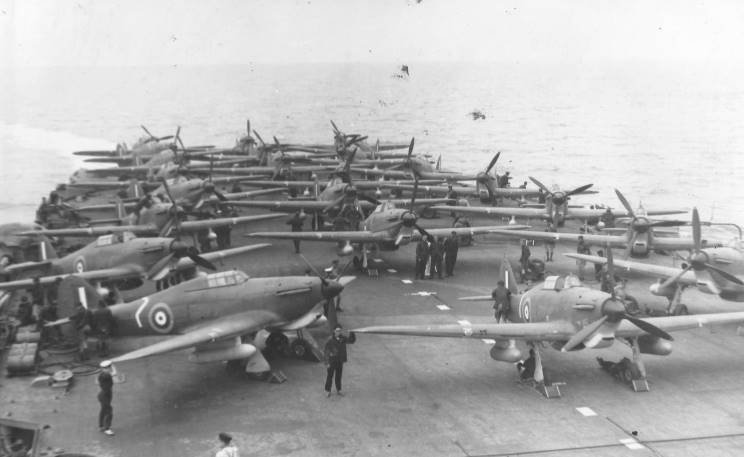
Today, the Hawker Hurricane Sea Hurricane is remembered not only as a critical component of the Royal Navy’s air strategy during World War II but also as a testament to the ingenuity and resilience of the engineers and pilots who operated it. Its legacy lives on in the form of preserved aircraft in museums and air shows, where aviation enthusiasts can appreciate its unique design and historical significance.
Building the Arma Hobby Sea Hurricane:
As I had never built an Arma hobby kit before I was curious as what the contents of the box would prove me with and what sort of modelling experience that this new model would provide me with.
To get straight to it, I will say that this kit is very well tooled providing a lot of exterior surface detail and it builds up into a decent replica of the real aircraft. My only criticism of the kit, and the this down to my own personal taste more than anything else, is that the cockpit parts were quite flimsy in places which made assembly a little difficult. That said, the kit does provide 3d printed parts for the pilot seat and cannons which are a very welcome addition to this kit. Unfortunately I accidentally damaged these parts by my own clumsiness and had to settle with kit seat and a PE seat harness from Eduard. To make the cockpit interior look a little busier, I added copper wire to the side consoles.
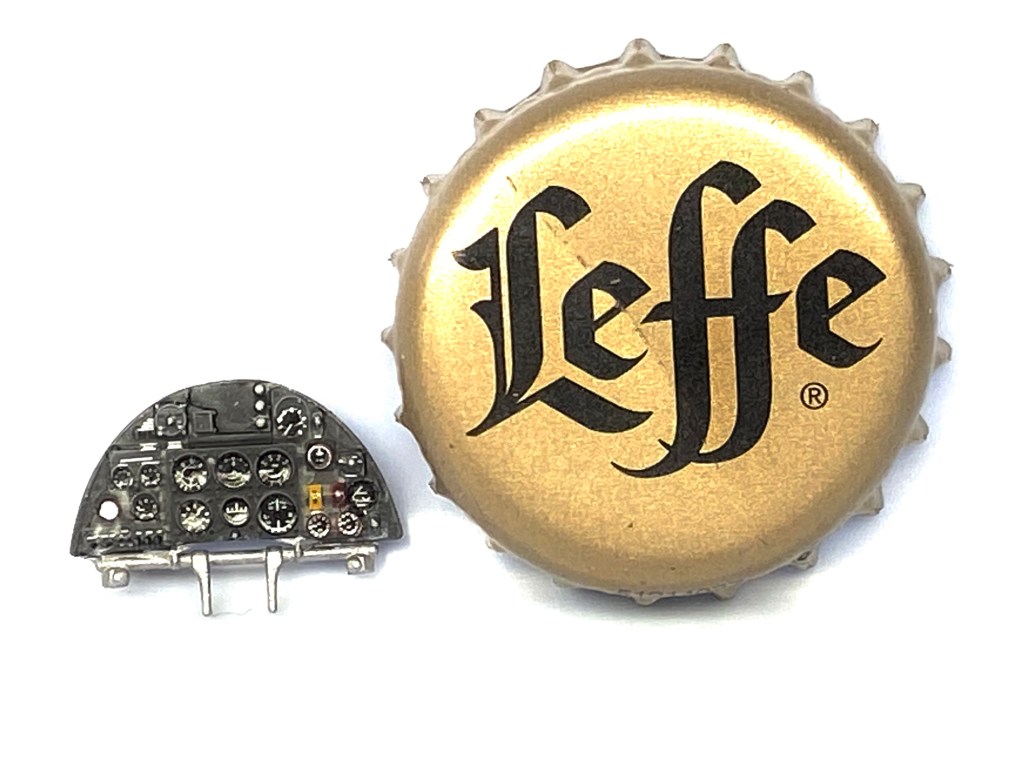
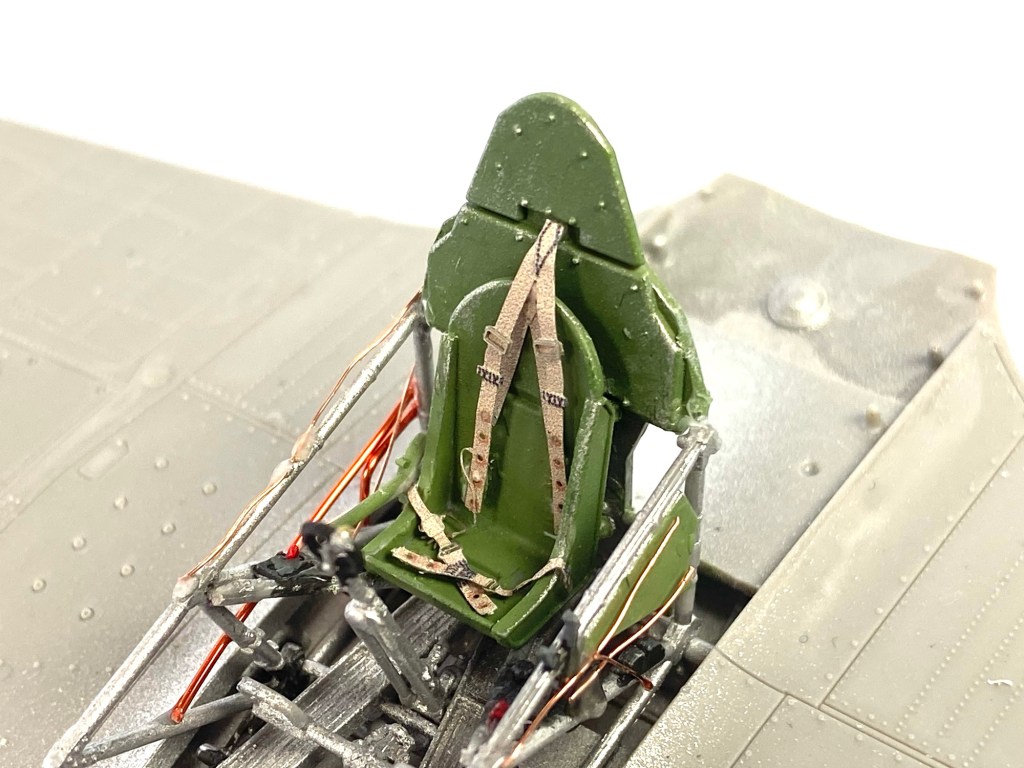
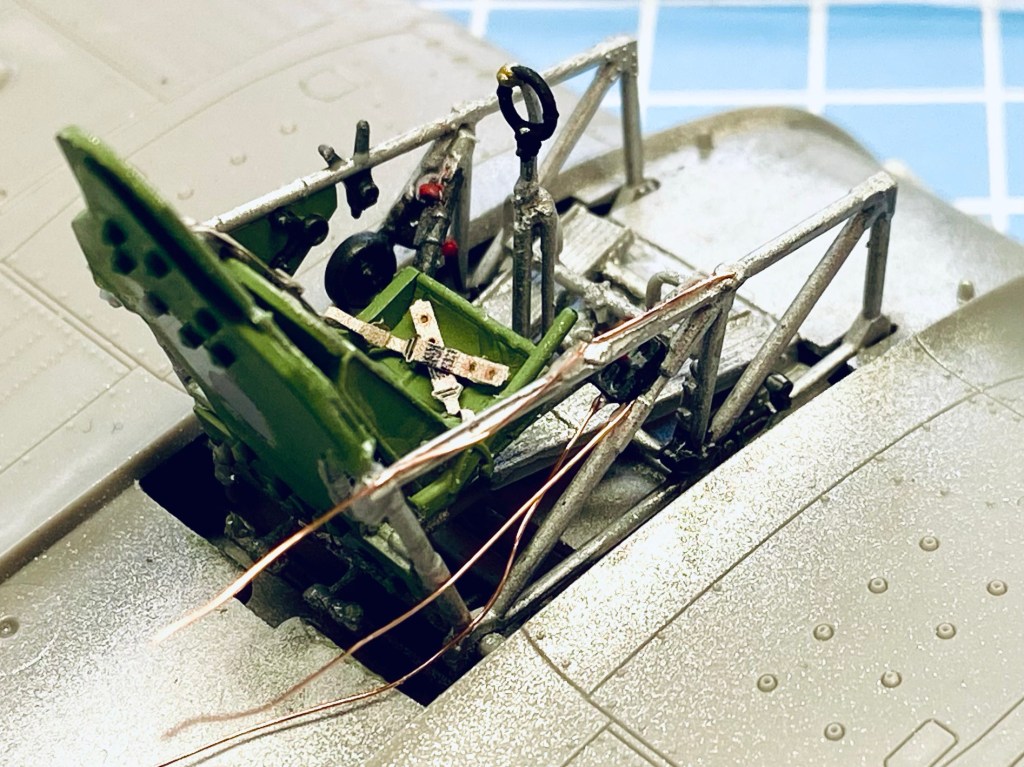
Once work on the cockpit was completed I was was quickly able to assemble the fuselage. Arma Hobby’s assembly process allows for the Sea Hurricane tail hook housing to be added in one piece as part of the fuselage and this part is also provided as a 3d printed swap in part.
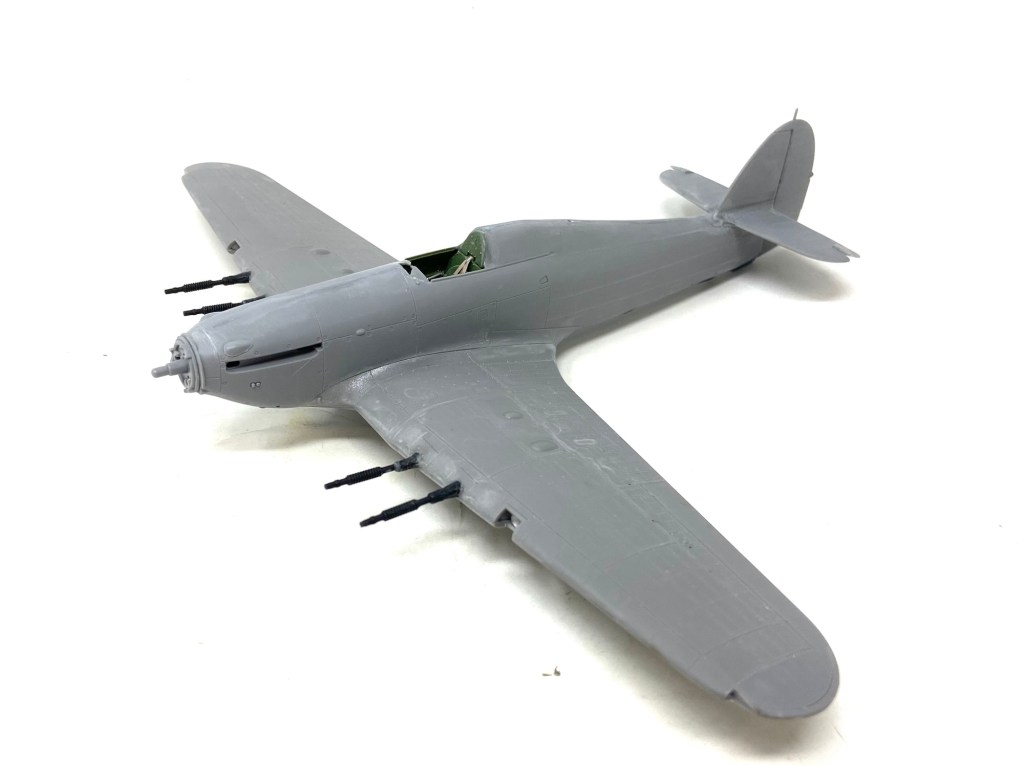
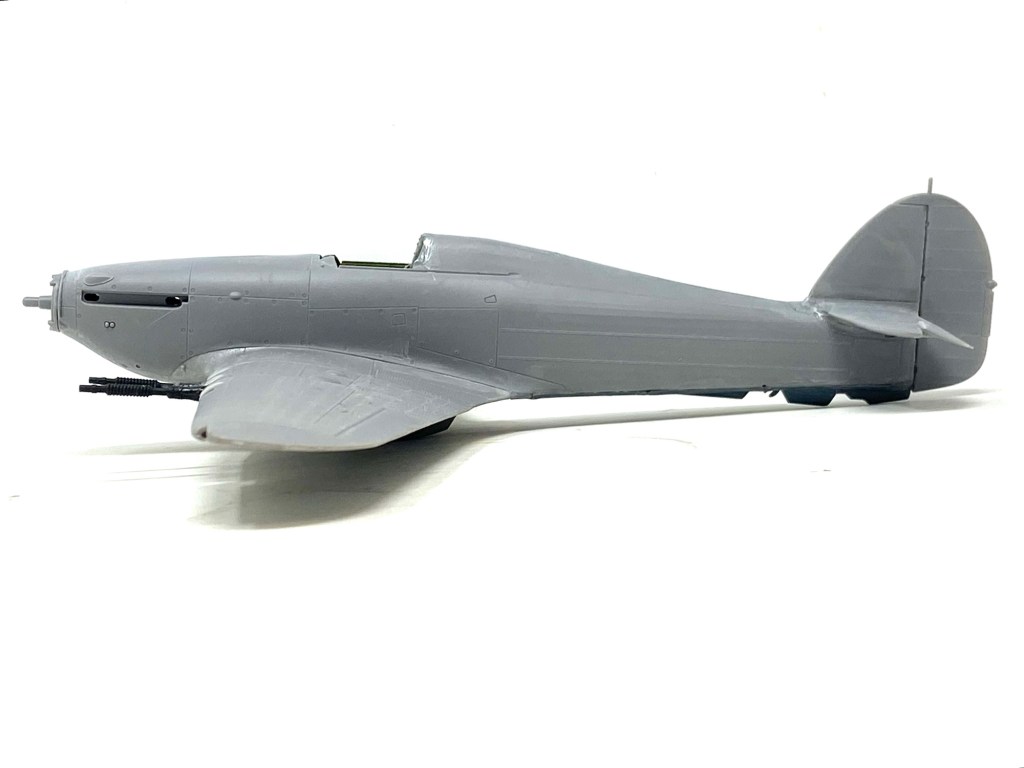
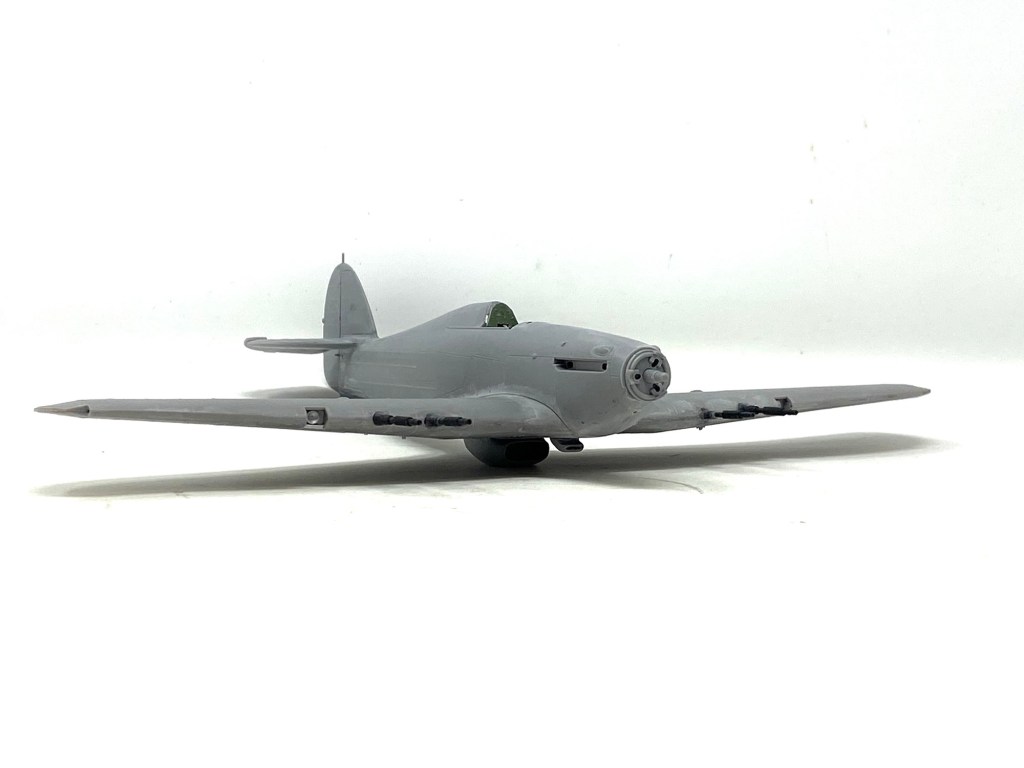
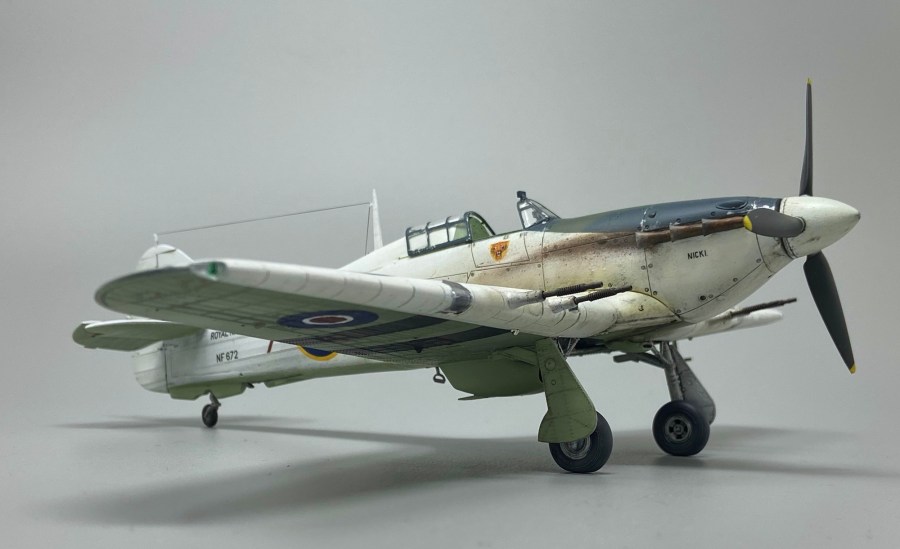
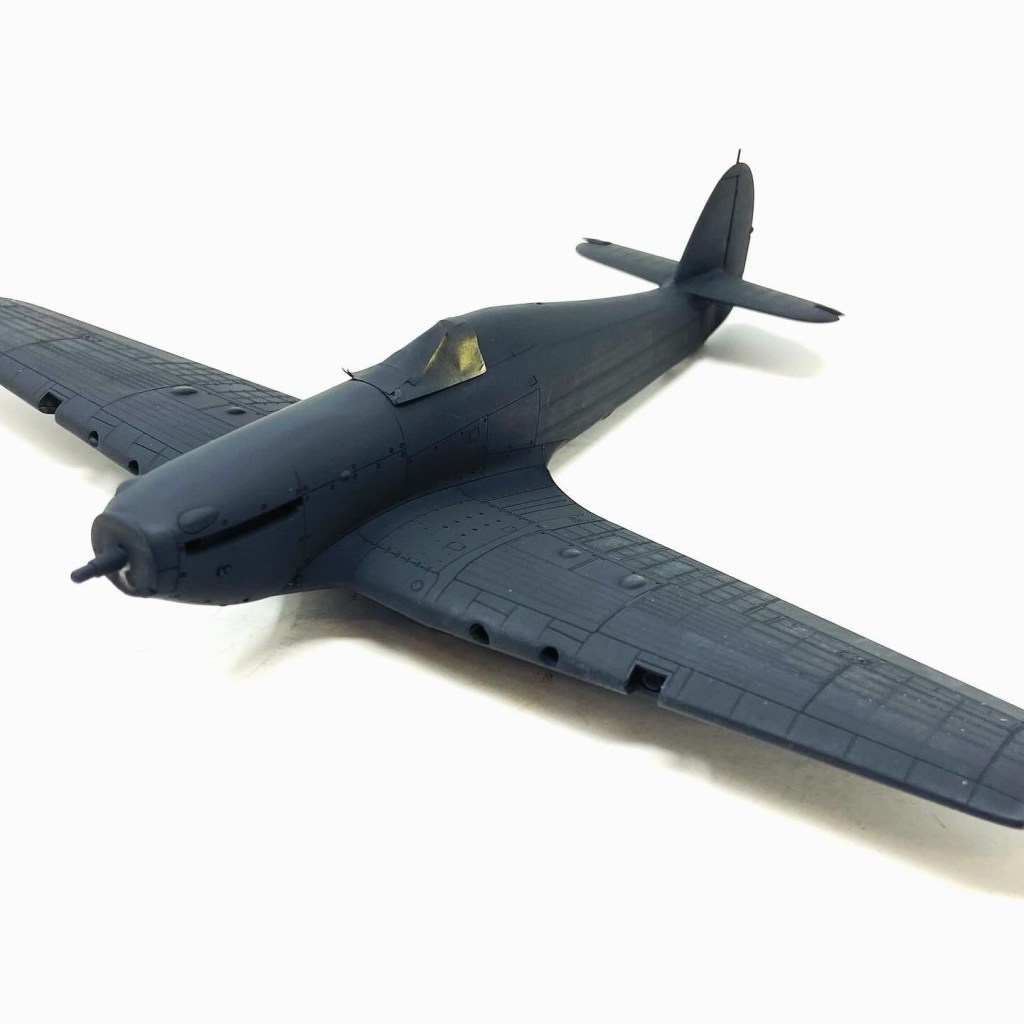
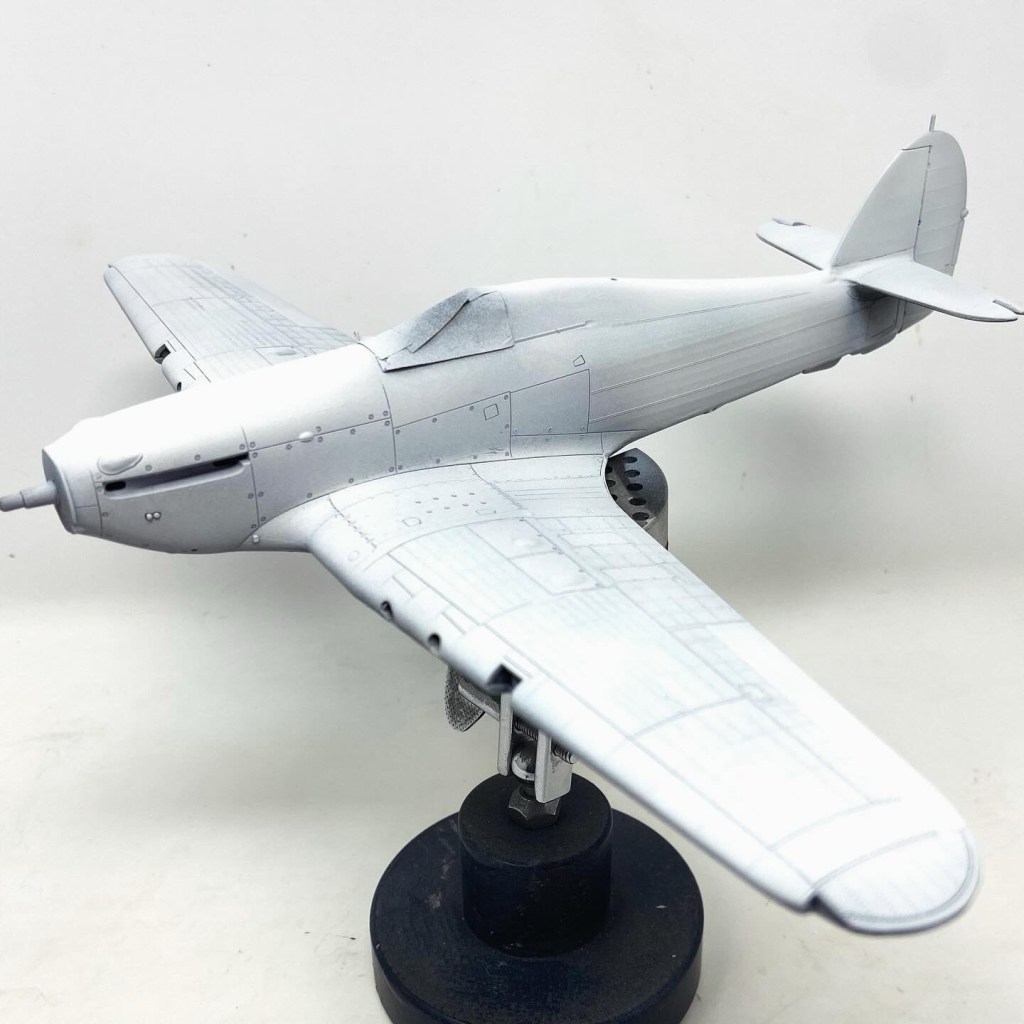
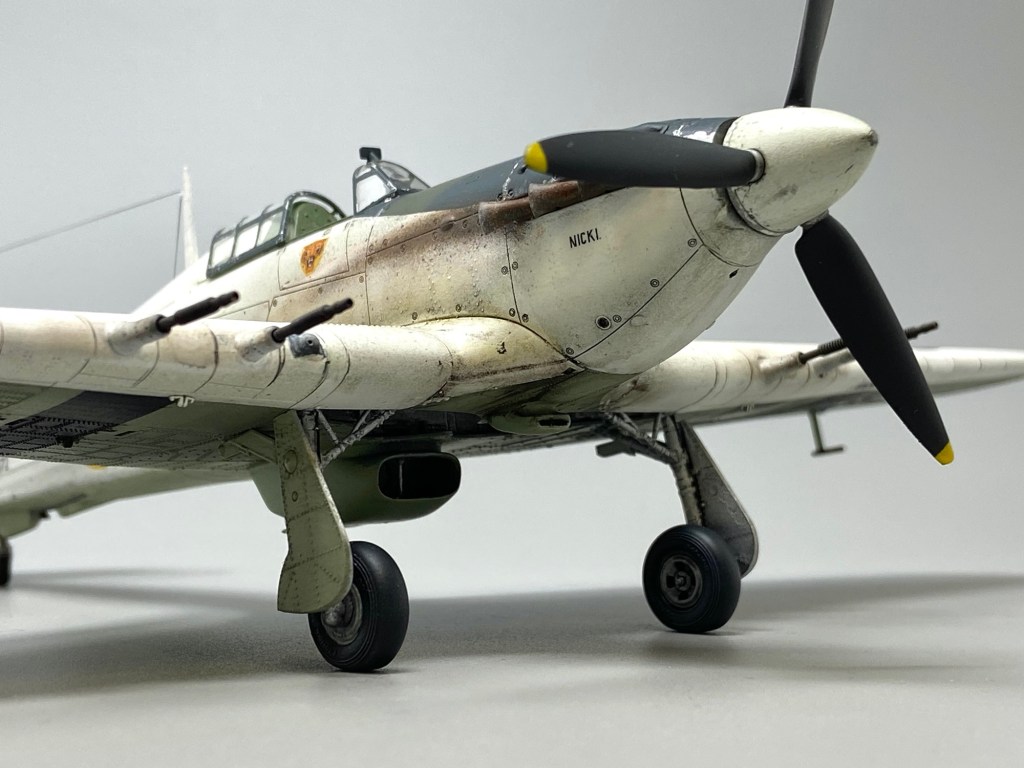
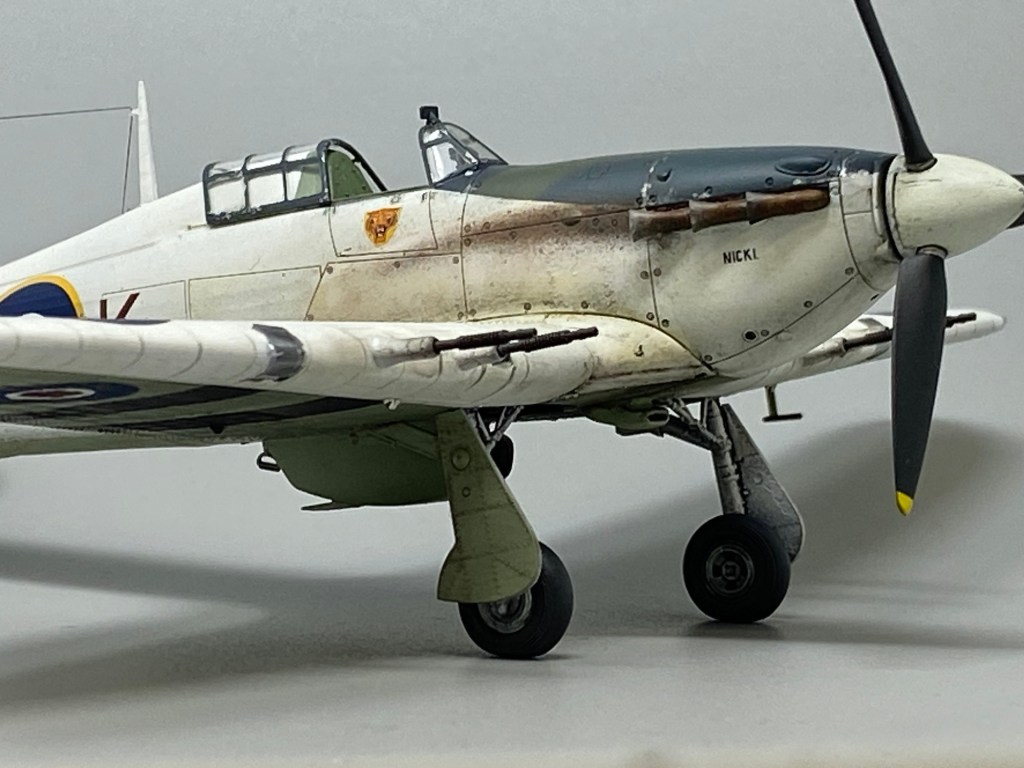
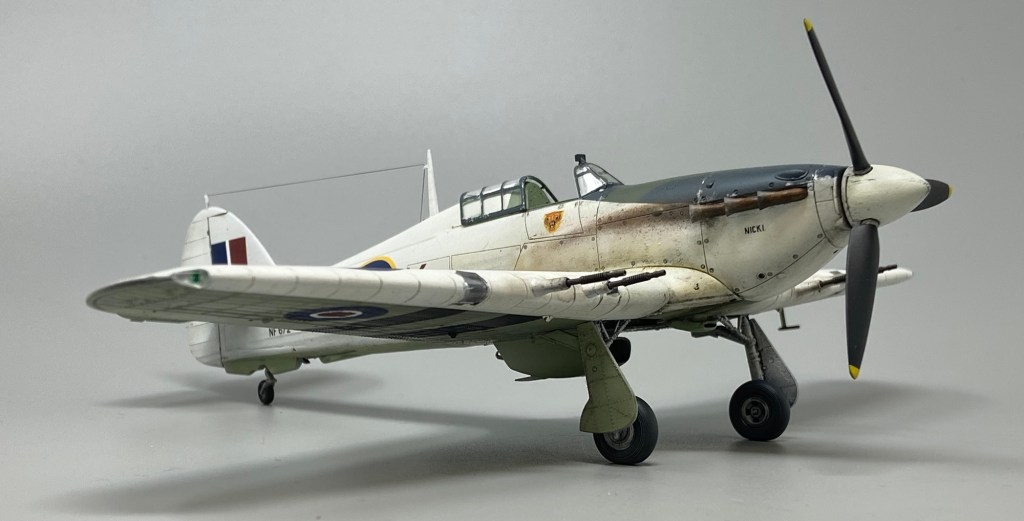
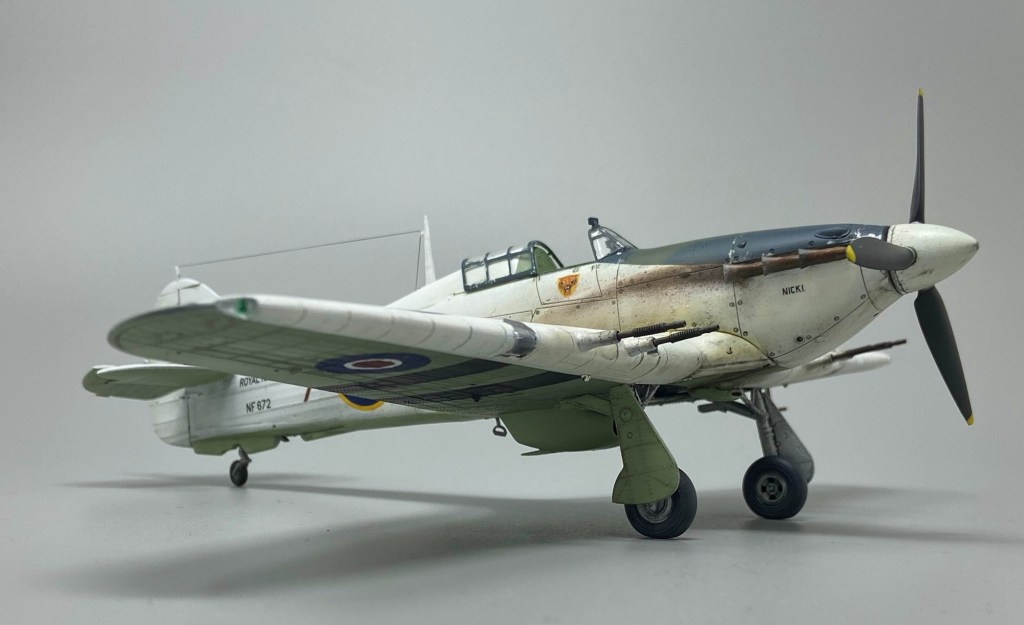
With the main assembly completed I could move on to the painting process. This consisted of my usual layering method starting with a base/primer coat of Tamiya NATO black acrylic. My second layer is a mottle coat of a warm brown shade that would add depth underneath the white upper camouflage scheme. The last white coat of paint was misted on in a few light layers to build up just enough opacity to make the paint appear slightly worn showing just a hint of the mottle coat underneath. Once the upper fuselage was finished, I masked the edges of the white camouflage and sprayed Tamiya Sky acrylic on the underside of the airframe. The last touches were to add the invasion stripes under the wings and the original anti-dazzle panel forward of the windscreen which retained its original camouflage. All the paintwork was then sealed in with a clear gloss coat to protect the paintwork prior to the decal process.



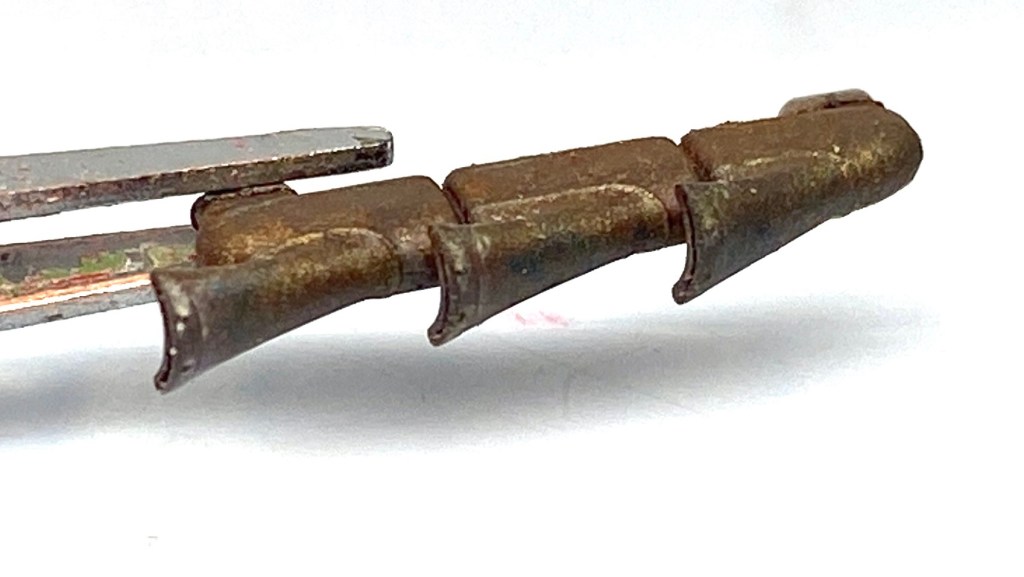
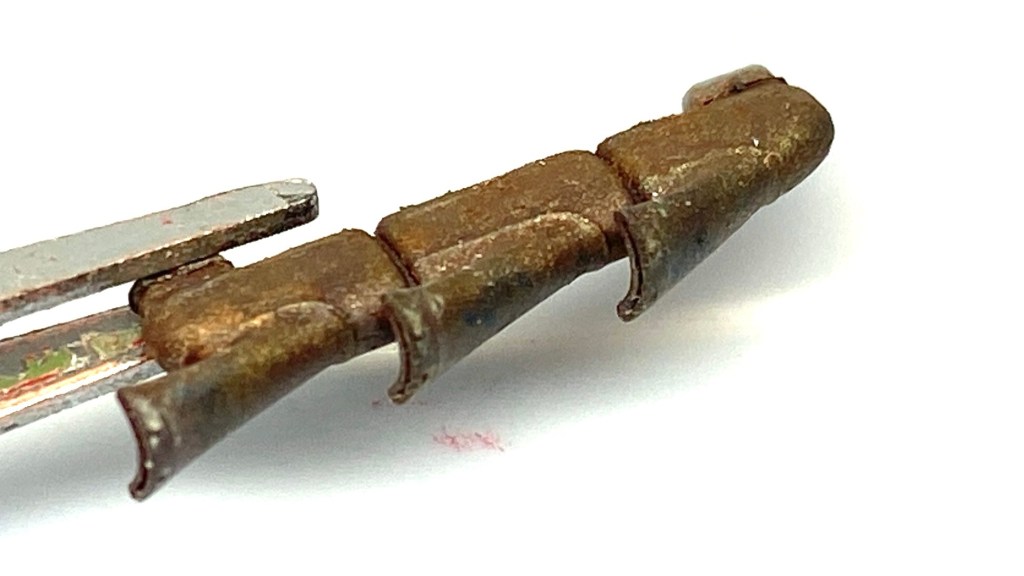
It was time to turn my attention to other details of the build so I began painting the exhaust stacks, landing gear and canopy. Work commenced on the exhaust stacks. My go to process is to prime them in metallic bronze, then add shades of rust, metallic blues and reds and blend them together to replicate heat distortion in the metal. Later, the exhaust stacks will have a light dusting of ash added to them when the model is in its final weathering process.

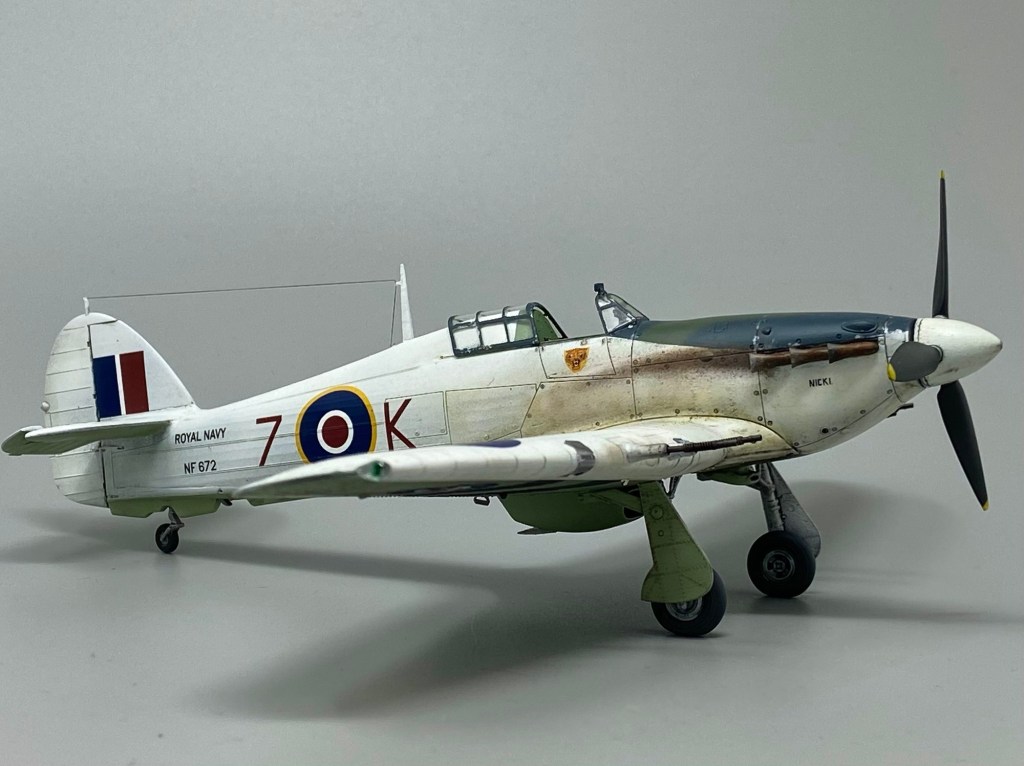
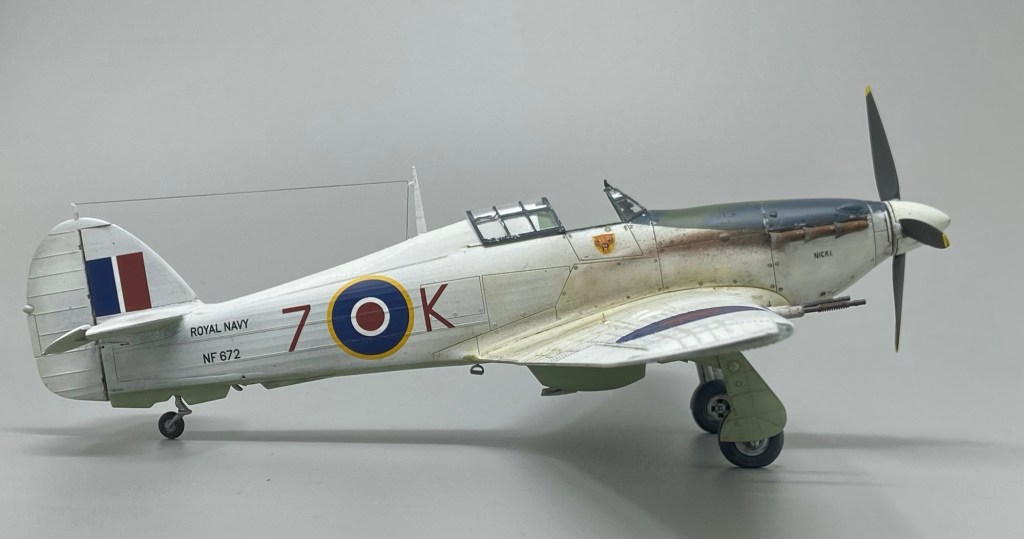
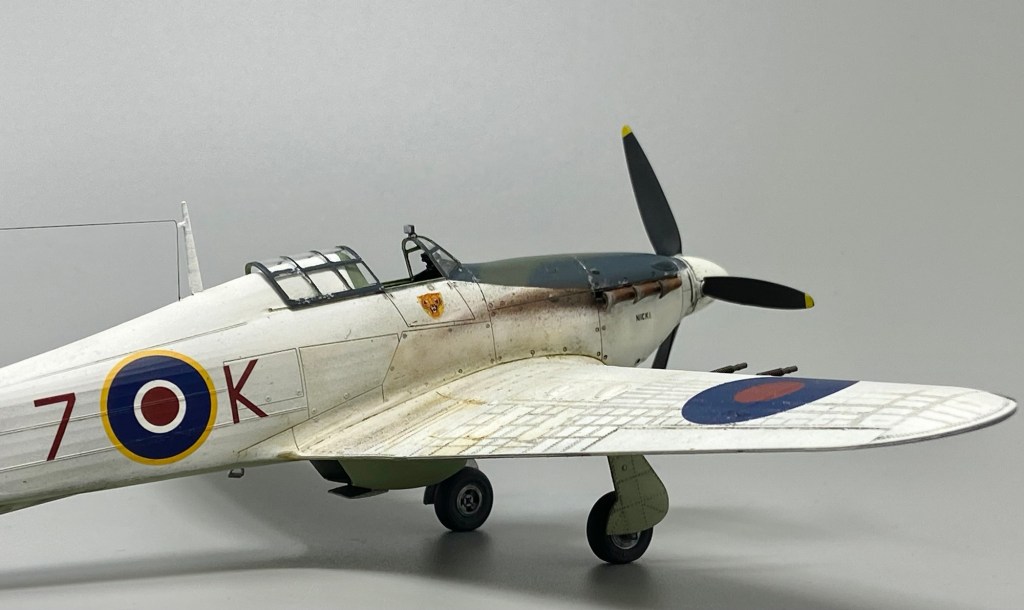
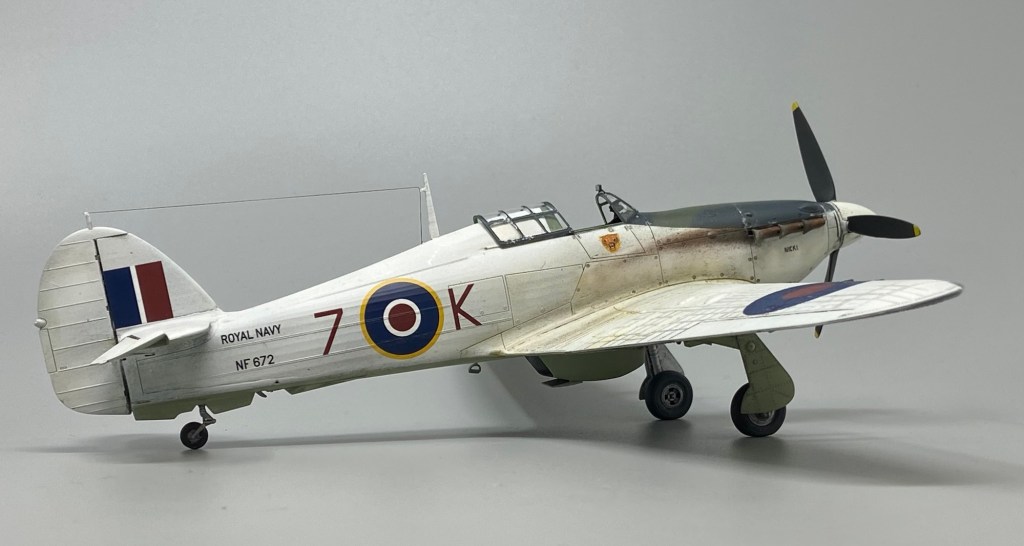
As I said earlier , I have always wanted to portray a white camouflage scheme on the Sea Hurricane and the Arma Hobbies kit provides the modeller with markings from No 835 Squadron , FAA to do this. The kit decals were very good and performed well with treatments from Microset and Microsol decal setting solution. Once the decals had set into the details, I sprayed another coat of clear gloss to protect all the previous work from the weathering process.
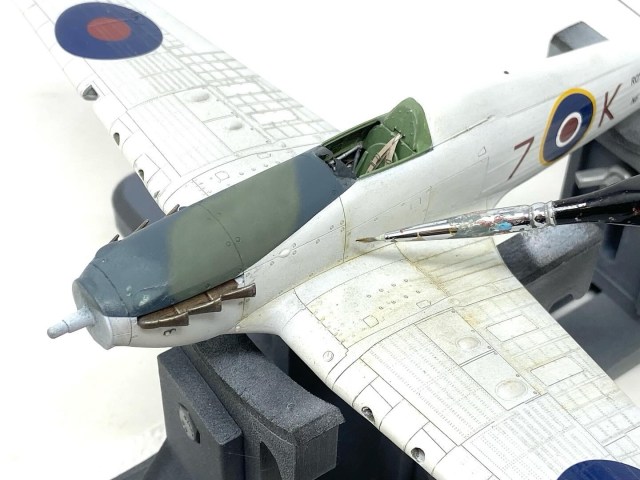
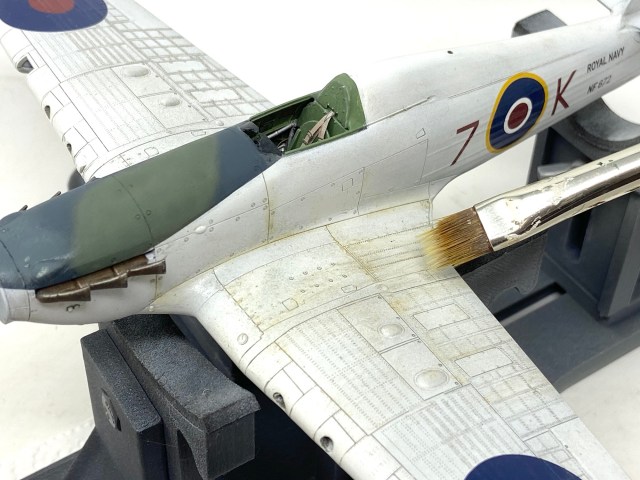

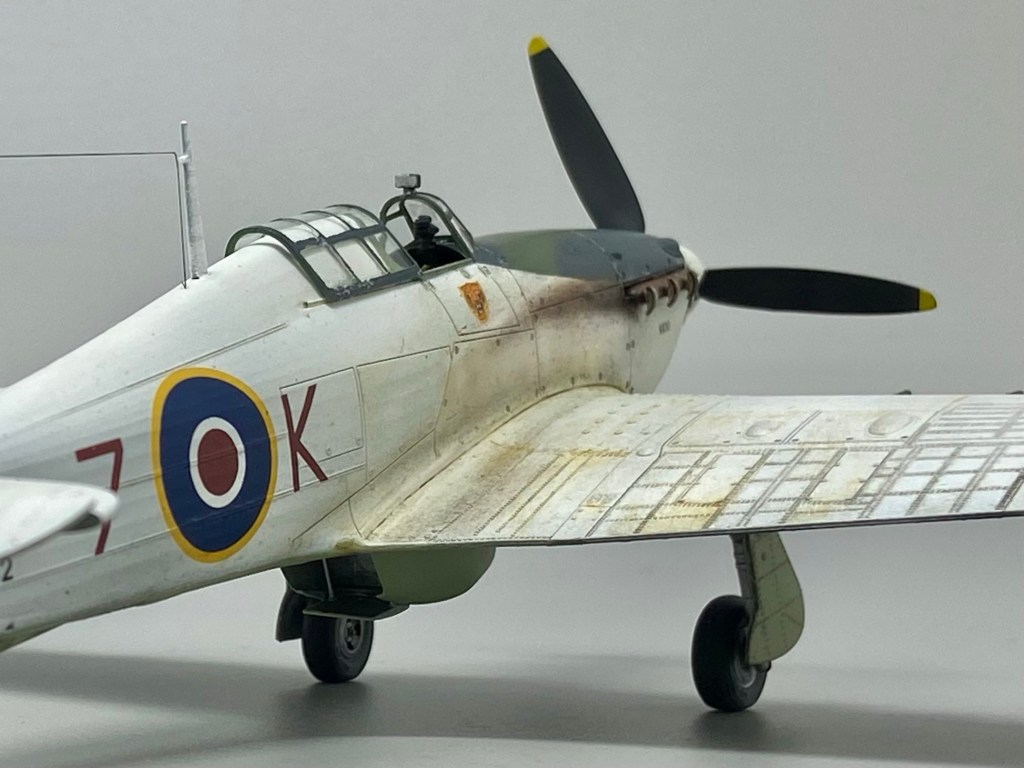
The weathering process of any model is my favourite part-This is when the vision in my minds eye begins to take shape and the model comes to life. For this winter camouflage scheme I used Dark Grey panel line wash from Mig Ammo. I like these ready made enamel washes as they save me a little time and the tones that they produce are solid colours that complement my paint work. I also used Burnt Sienna oil paint to add dirt and corrosion over the airframes paint. This wss applied in small spots in high ware areas and blended in with a flat brush.
Below are some wartime photos of the Sea Hurricane in its white scheme, in various stages of their deployments.
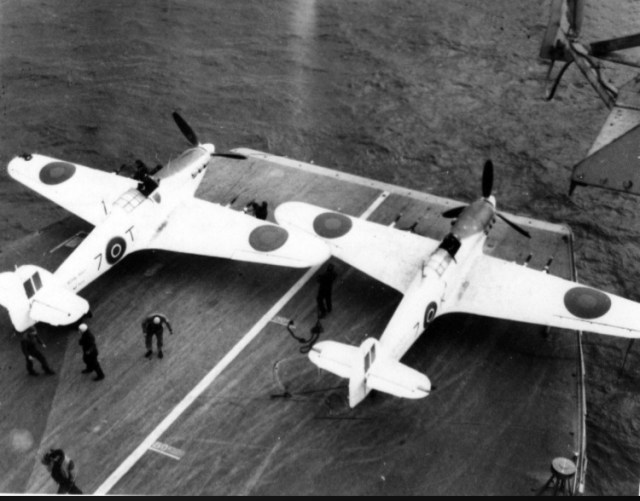
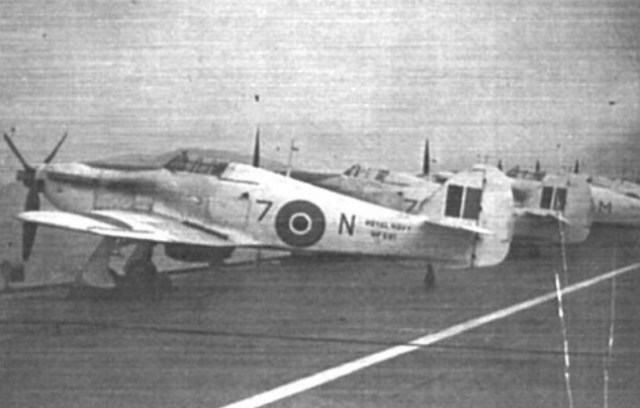

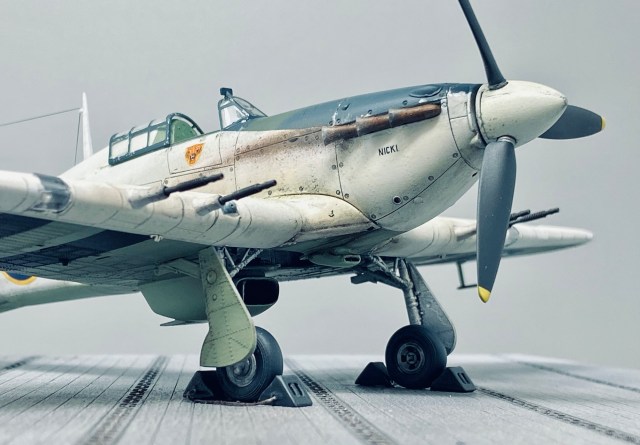
After application of washes and oils I airbrushed the exhaust stains from the engine using a colour mix of brown/black over the port and starboard sides of the front fuselage which to my eye gives a good rendering of the real thing. The rest of the build was relatively easy, all the weathering was seals in with a clear coat off VMS matt varnish and then the additional undercarriage, canopy and cannons were added.
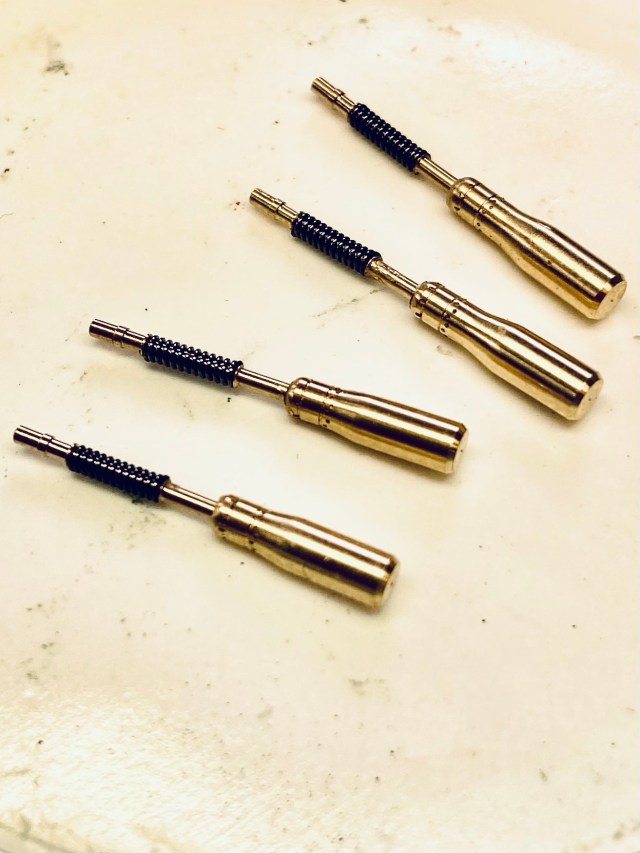
Although the Arma kit provides some lovely examples of the Hurricanes wing cannon barrels, in my hap-hazardous blundering I managed to damage them and had to purchase a set of metal cannon barrels from Master. I have to say they really are very good and do add a little extra realism to the model.
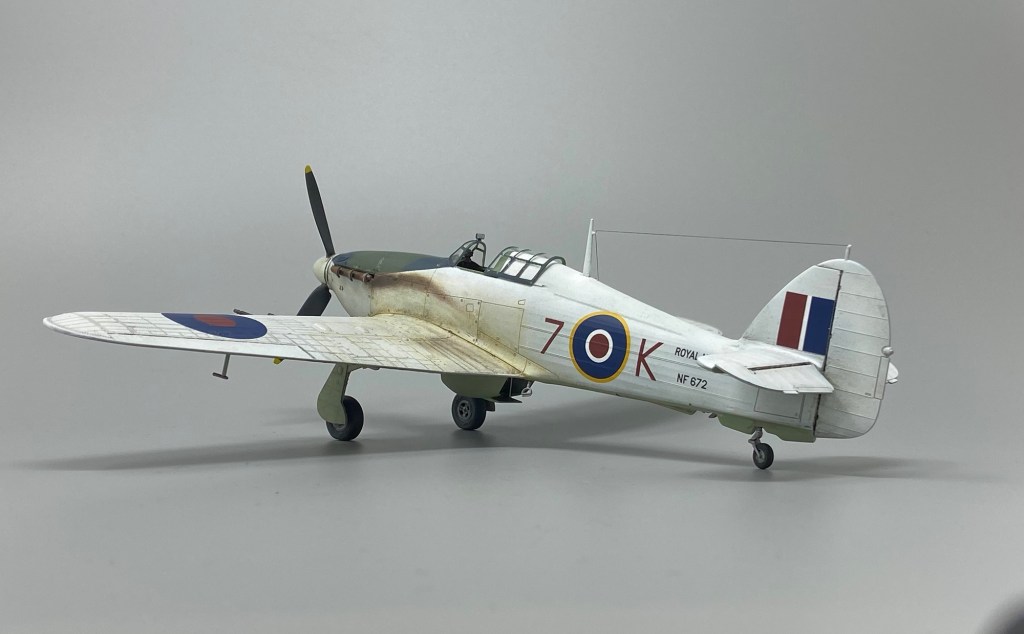
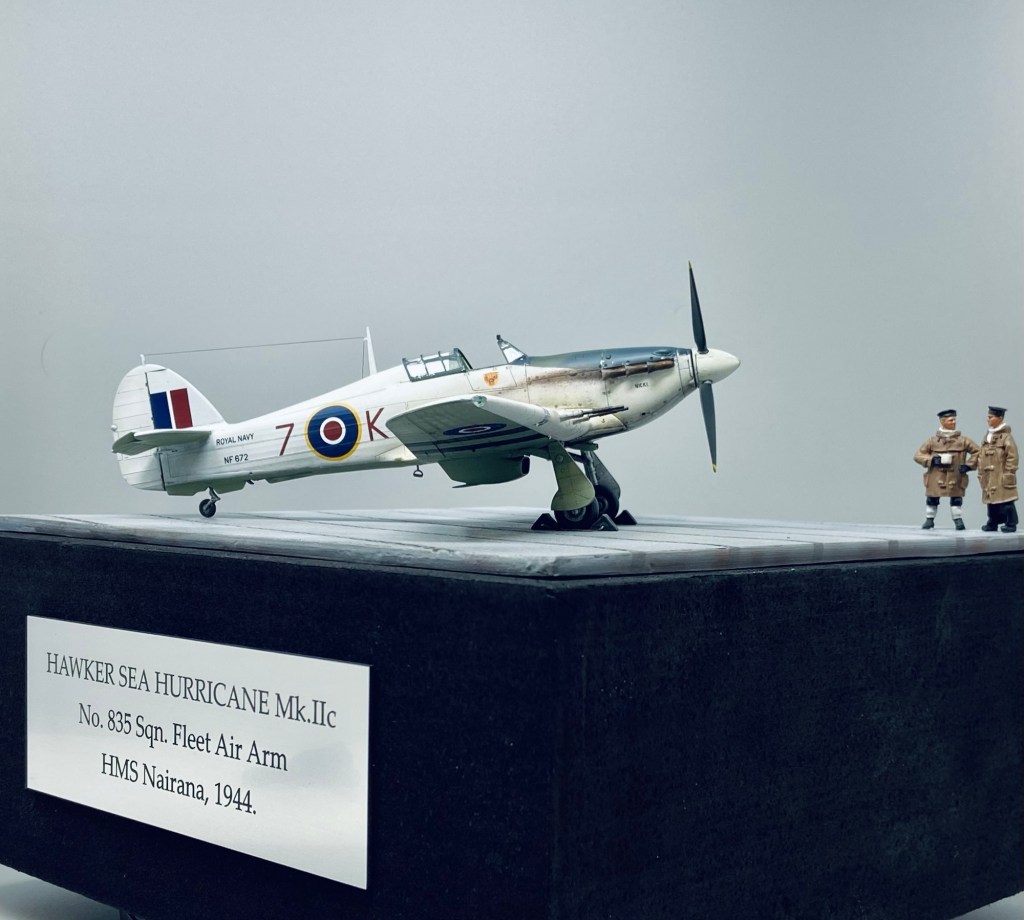
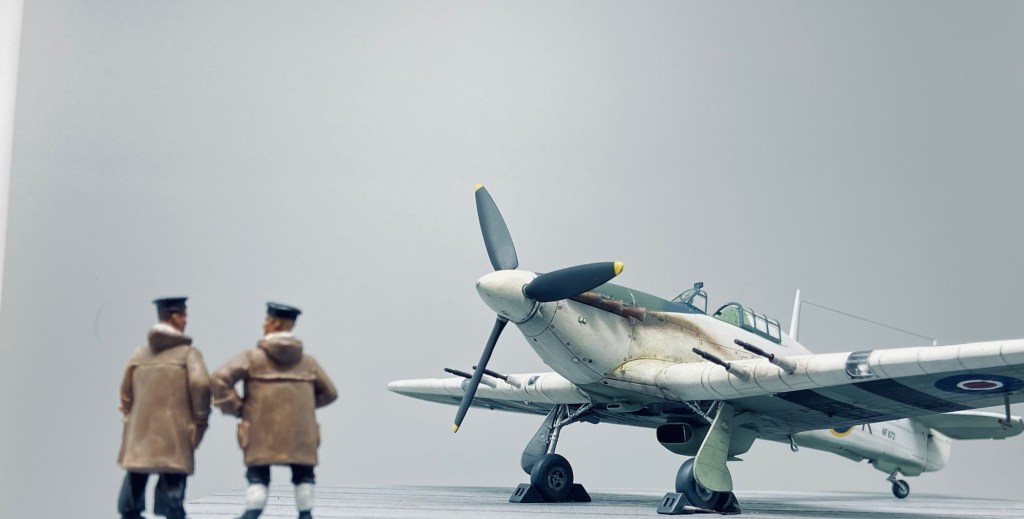
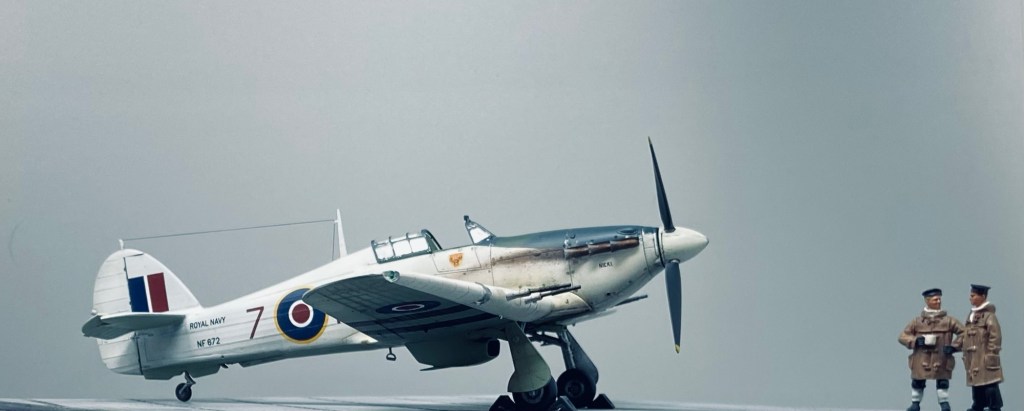
The finished model:
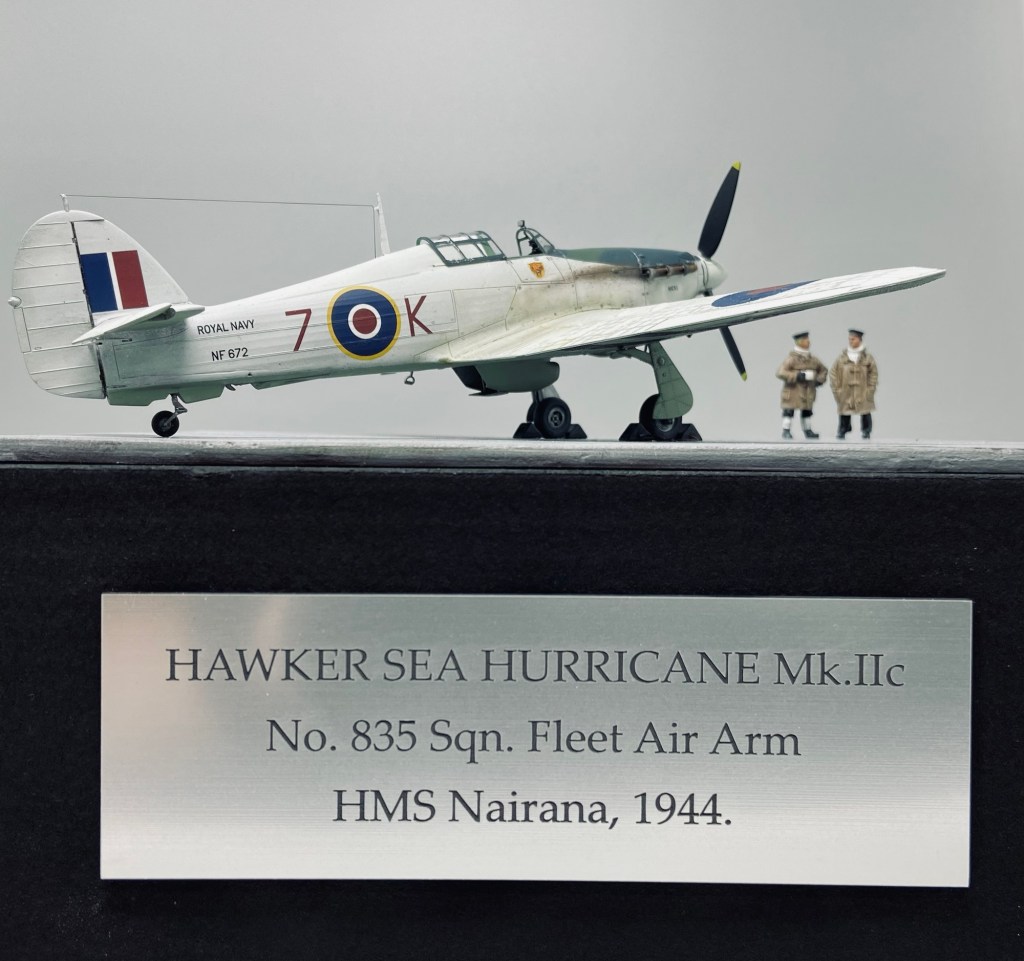
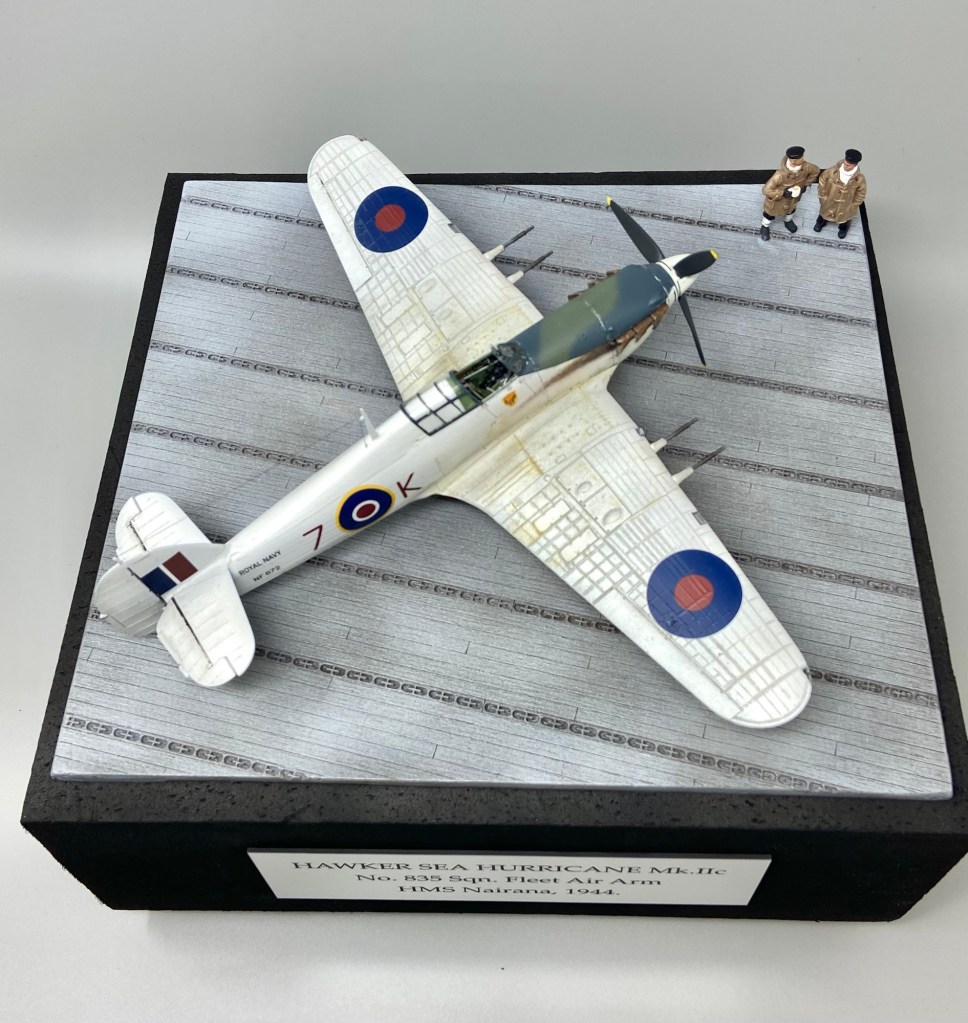
Hawker Sea Hurricane Mk.IIc , No 835 Squadron, Fleet Air Arm , HMS Nairana, 1944.


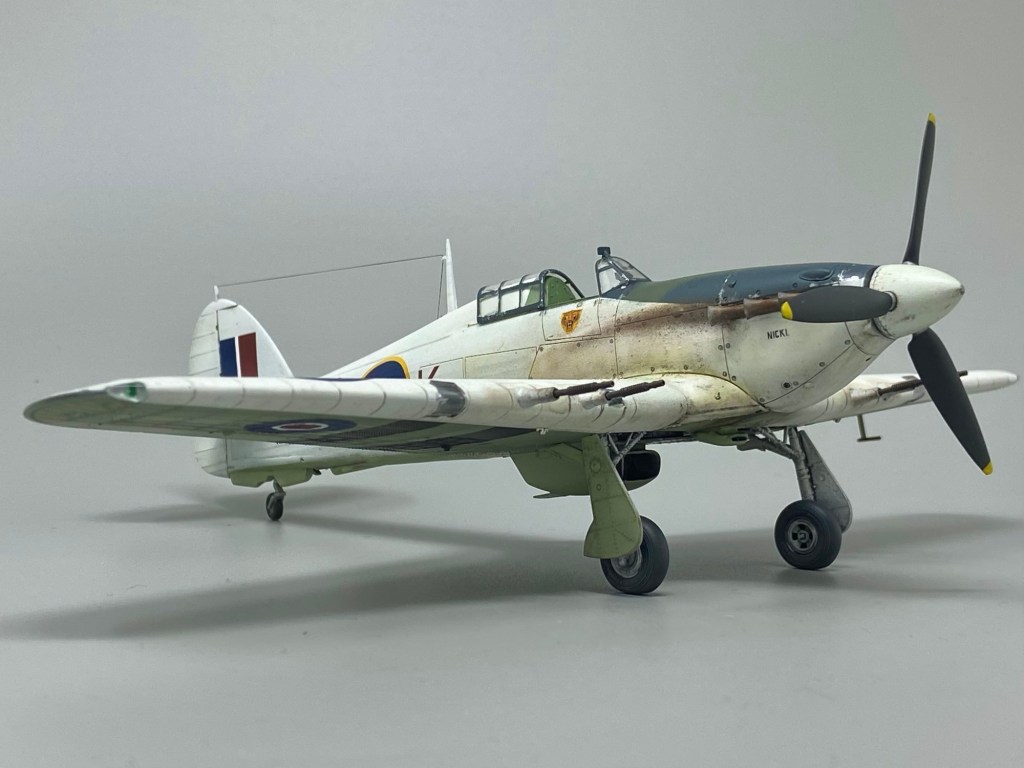
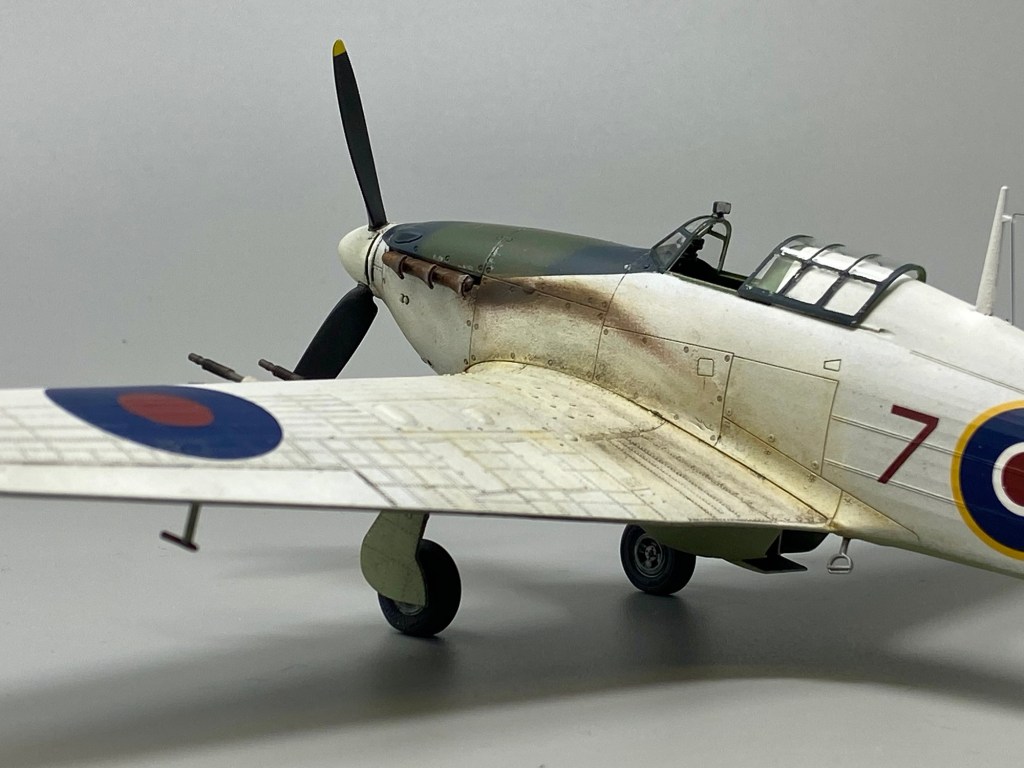


The final touches:
This model was a long awaited and greatly appreciated addition to my personal studio collection so I wanted to display it in a manner befitting its operational service. I purchased a resin wood carrier deck section and painted it in a blue/grey shade similar to those in in Royal Navy service at the time. This was mounted onto a black plinth cut from styrofoam and a plaque was attached to th front of the display. The last things to add were the 3d printed wheel chocks and two Royal Navy sailors. These metal figures came out of my spares box and I have no idea where they came from! Where’ve they did originate rom, they were the perfect figures to set the scene of the the Sea Hurricane being on deck during the harsh winter of the Atlantic campaign.


I hope you enjoyed this one as much as I have! Thanks for visiting and I hope you join me again soon.
Happy Modelling!
Darren.
 THE SCALE MODEL HANGAR